
By David Edwards | Edwards Group
Key TakeawaysA Revocable Living Trust helps your family avoid probate, keeps your plan private, and names someone to manage your finances if you can’t — but it does NOT protect your assets from nursing home costs or creditors. An Irrevocable Trust can protect your home and savings from Medicaid spend-down requirements, but only if it’s set up far enough in advance (Illinois Medicaid has a five-year look-back period). The type of Trust you have matters as much as whether you have one at all — the wrong type won’t do what you think it will. Many families have a Trust document but never properly transferred assets into it, which means their family could still end up in probate. If nursing home planning or a diagnosis like dementia or Parkinson’s is on your mind, an Irrevocable Trust conversation should happen sooner rather than later. |
|---|
Jump to:
→ What a Revocable Living Trust WILL Do
→ What a Revocable Living Trust WON’T Do
→ What an Irrevocable Trust WILL Do
→ So Which Type of Trust Do You Need?
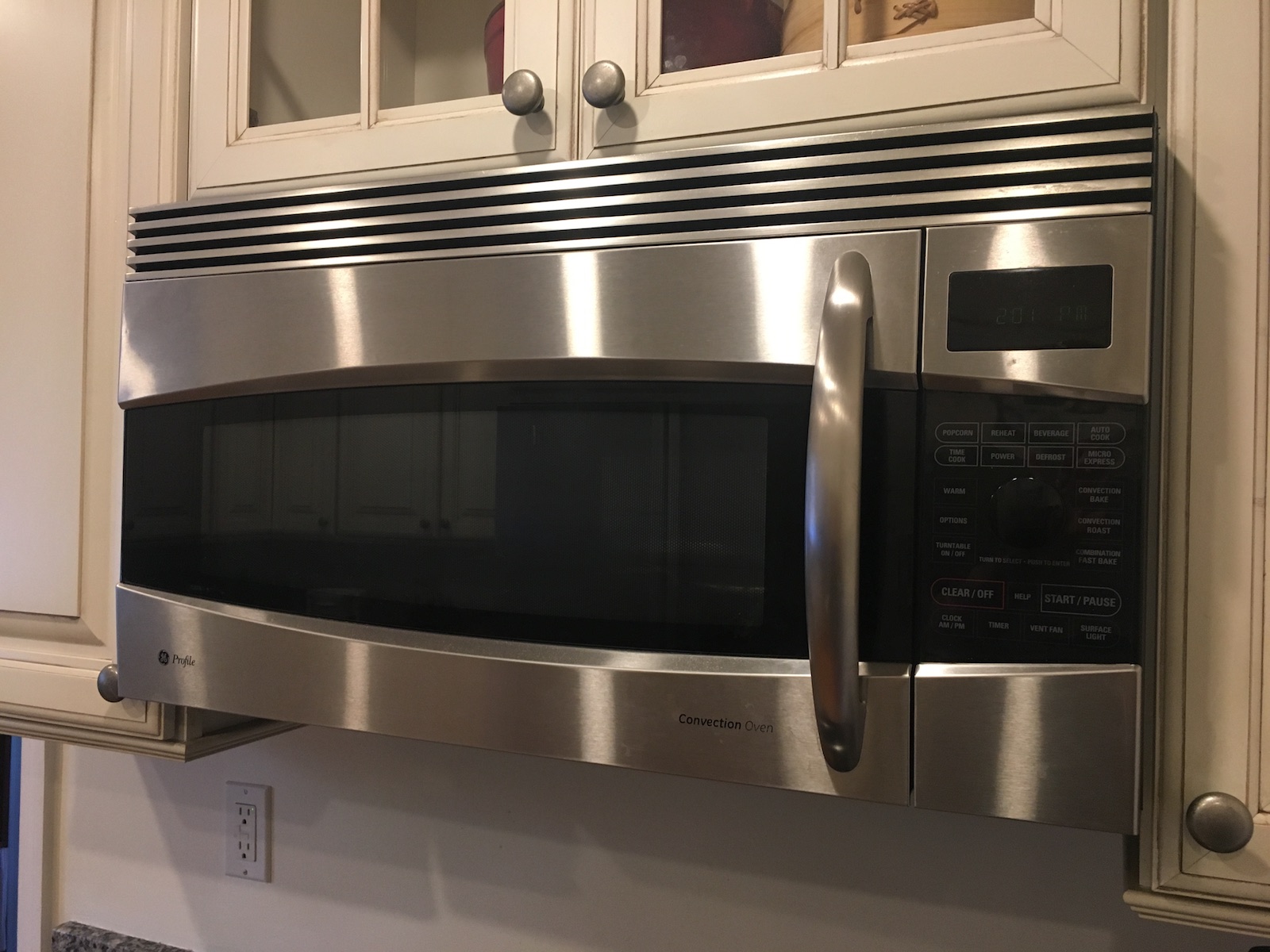
You wouldn’t use a microwave to wash dishes.
It’s a perfectly good appliance — but it’s built for a specific job. Put it to the wrong use and you don’t just get bad results. You might actually make things worse.
Trusts work the same way.
We talk to families nearly every day who have a Trust — or are thinking about getting one — but aren’t sure what it actually does. Sometimes they’ve been told a Trust will protect them from nursing home costs, only to find out too late that the Trust they have won’t do that at all. Sometimes they’re avoiding a Trust because they think it’s only for wealthy people, when actually a Trust might be the most practical tool for their situation.
So what does a Trust do — and what doesn’t it do? We’ll walk through both, and help you figure out which type of Trust — if any — fits your family.
What Is a Trust?
A Trust is a legal document that holds assets — your home, savings, investments, or other property — and spells out how those assets should be managed and eventually passed on. You create the Trust, you name a Trustee to manage it (often yourself, while you’re living), and you name beneficiaries who will receive what’s in it.
But here’s the part most people don’t realize: there are many different types of Trusts, and each one is designed to do different things.
The two most common types of Trusts that families encounter are:
- Revocable Living Trusts — you maintain control during your lifetime and can change or cancel the Trust at any time
- Irrevocable Trusts — once created, the terms generally cannot be changed, which is what gives them certain legal protections
Understanding which type you have (or need) matters more than most people think.
What a Revocable Living Trust WILL Do
A Revocable Living Trust is the most common type of Trust used in estate planning. Here’s where it genuinely helps:
- It can help your family avoid probate. When assets are properly titled in a Revocable Trust, they don’t have to go through the Illinois probate court process after you die. That can save your family months of waiting — and potentially thousands of dollars in court costs. One important note: the Trust itself doesn’t automatically avoid probate. You have to actually retitle your assets into the Trust. A Trust sitting in a drawer with no assets transferred into it won’t keep your family out of probate.
- It gives you a clear plan if you become incapacitated. A Revocable Trust names a successor Trustee — someone who can step in and manage your finances if you’re no longer able to. This can be smoother and faster than the court process that kicks in without a plan.
- It keeps your plan private. Unlike a Will, which becomes a public record when it goes through probate, a Trust stays private. Your neighbors, your distant relatives, and anyone curious won’t be able to look up what you left and to whom.
- It can be easier to administer across multiple states. If you own property in more than one state, a Trust can simplify things significantly. Without one, your family might have to go through probate in each state where you own real estate.
- It can provide structure for how assets are distributed. Rather than handing a large sum to a beneficiary all at once, a Trust can specify distributions over time or under certain conditions — helpful if you’re leaving assets to younger family members or someone who may need extra guidance.
What a Revocable Living Trust (RLT) WON’T Do
This is where the microwave analogy really matters — because this is where families sometimes get caught off guard.
- A RLT will NOT protect your assets from nursing home costs. This is the most common misconception we see. A Revocable Trust does not protect your home or savings from Medicaid spend-down requirements. Because you still control the assets in a Revocable Trust, they still count as yours when determining eligibility for Medicaid or other long-term care benefits.
- A RLT will NOT shield you from creditors. Because you retain control and can change the Trust at any time, your creditors can still reach those assets.
- A RLT will NOT automatically qualify you for VA benefits. VA benefits have their own eligibility rules. A Revocable Trust won’t help you meet them — and in some cases could complicate the picture.
- A RLT will NOT avoid probate on its own. Worth repeating: the Trust document isn’t enough. Every asset that needs to avoid probate has to be properly transferred into the Trust. We see families who paid for a Trust years ago but never completed the funding — and their family still ends up in probate.
- A RLT will NOT reduce your taxable estate. For the vast majority of Illinois families, estate taxes aren’t the issue they once were. But if they are relevant to your situation, a Revocable Trust won’t solve that problem. You’d need a different planning strategy.
What an Irrevocable Trust WILL Do
If a Revocable Trust is the everyday kitchen appliance, an Irrevocable Trust is the specialized tool — built for a specific job, and when used correctly, genuinely powerful.
- It can protect assets from nursing home costs. This is what Irrevocable Trusts are often used for in elder law planning. When structured properly and set up far enough in advance, an Irrevocable Trust can put your home or savings out of reach of Medicaid spend-down rules — helping protect what you’ve worked hard for. Timing matters here. Medicaid has a five-year look-back period, which means transfers made within five years of applying for Medicaid benefits can be reviewed and potentially penalized. Planning early gives you more options.
- It can help protect assets from creditors. Because you’ve transferred legal control of the assets, they may be shielded from future creditors in ways that a Revocable Trust cannot provide.
- It can be structured to help with VA benefits planning. Certain Irrevocable Trusts can be part of a broader plan to help a Veteran or surviving spouse qualify for VA benefits, including Aid and Attendance.
- It can reduce your taxable estate. For families where estate taxes are a concern, an Irrevocable Trust can remove assets from your taxable estate.
So Which Type of Trust Do You Need?
That depends on what you’re trying to accomplish.
If your main goal is to avoid probate, keep your plan private, and make things easier for the people you love after you’re gone — a Revocable Living Trust is likely worth a conversation.
If your main concern is protecting your home or savings from nursing home costs, qualifying for Medicaid, or planning around a diagnosis like dementia or Parkinson’s — an Irrevocable Trust deserves a closer look. And the sooner you start that conversation, the more options you’ll have.
Some families need both. Some need neither. What matters is that the tools you have actually match what you’re trying to do.
A Question Worth Asking
If you already have a Trust, do you know what type it is? Do you know whether your assets have actually been transferred into it?
We talk with families regularly who have a Trust document but don’t know the answers to those questions. Sometimes the plan is in good shape. Sometimes there are gaps that could leave the family in a difficult spot.
If you’re not sure, it’s worth finding out now — before a health crisis or family emergency forces the question.
Edwards Group works with families across Central Illinois — in Springfield, Decatur, and Quincy — on estate planning and elder law. If you have questions about what type of Trust fits your situation, or whether your existing plan still makes sense, we’re glad to help. It is best to start by attending a free workshop or scheduling an Initial Meeting.
Frequently Asked Questions
No — a Revocable Living Trust does not protect assets from nursing home costs or Medicaid spend-down requirements. Because you still control the assets in a Revocable Trust, Illinois Medicaid counts them as yours when determining eligibility. If nursing home planning is a concern, an Irrevocable Trust is worth discussing with an elder law attorney.
A Revocable Trust can be changed or canceled by you at any time during your life — you maintain control. An Irrevocable Trust, once created, generally cannot be changed, which is what gives it certain legal protections, including potential shielding from Medicaid spend-down and creditors. The tradeoff for that protection is giving up direct control of the assets placed in it.
Not automatically. A Revocable Trust can help your family avoid probate, but only if your assets have been properly transferred into the Trust — a process called “funding” the Trust. If you created a Trust years ago but never retitled your home, accounts, or other assets into it, those assets may still go through probate.
An Irrevocable Trust can protect assets from nursing home costs, Medicaid spend-down requirements, and certain creditors — protections a Revocable Trust cannot provide. It can also be used as part of VA benefits planning and, in some cases, to reduce your taxable estate. The key is that it must typically be established at least five years before you need long-term care.
The sooner the better. Illinois Medicaid has a five-year look-back period, which means assets transferred into an Irrevocable Trust within five years of applying for Medicaid may be reviewed and penalized. Families dealing with a dementia or Parkinson’s diagnosis often come to us wanting to protect what they’ve worked hard for — and the earlier that conversation starts, the more options are available.
The first step is knowing whether you have a Revocable or Irrevocable Trust, and whether your assets have been properly transferred into it. If you’re not sure, or if your Trust is more than a few years old and your life has changed, it’s worth having an attorney review it. We talk with families regularly who have a Trust document but aren’t sure what it actually covers.
It depends on your goals. A Will alone means your estate will likely go through Illinois probate after you die — which takes time and costs money. A Trust can help avoid that. But if your concern is protecting assets from nursing home costs or planning around a health diagnosis, a Will won’t accomplish that at all. The right answer depends on your specific situation, your family, and what you’re trying to protect. The best way to learn more is at an upcoming free workshop.