
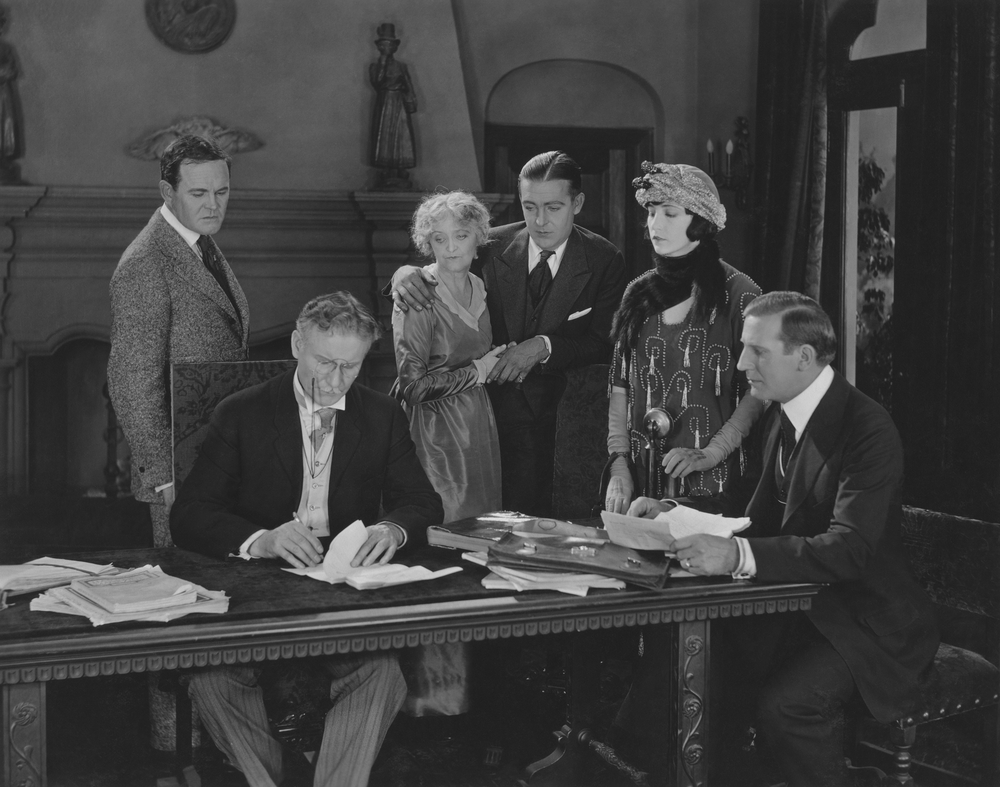
People often ask us, “When do we have the reading of the Will?” That’s understandable, because for decades, movies and TV shows have shown dramatic “Will readings” where families gather in a lawyer’s office for a big reveal. Think Knives Out – the millionaire leaves everything to the nurse, the family explodes, and the drama begins.
It makes for entertaining television. But in real life families don’t gather in a lawyer’s office for a big reveal. And believing this Hollywood myth can cause extra stress, confusion, and even family conflict when a loved one passes away.
So what really happens instead? And why is it important to know the truth?
Why Does the Myth of “The Reading of the Will” Cause Problems for Families?
1. It causes disappointment and confusion.
When the dramatic gathering in the lawyer’s office doesn’t happen, heirs and beneficiaries may feel confused or disappointed at a time that’s already emotionally difficult. Those who were expecting a “great reveal”—and the emotional release that follows—will need to adjust their expectations in the moment. But, as we all know, it’s much easier to adjust our expectations before a stressful event happens. Knowing what to expect can help make those uncomfortable emotions feel manageable.
2. It sets unrealistic expectations.
When a loved one dies, people want clarity and reassurance. Expecting a “reading of the Will” can feel reassuring, especially if we feel familiar with the process from watching it play out in television and movies. But the reality is quite different, and knowing the truth about the situation brings clarity and comfort during a stressful time.
3. It causes unnecessary drama.
If families expect to sit in a room and hear the Will all at once, that can actually create conflict. This is why the trope is so effective in movies and TV. We love watching others’ family issues explode in one dramatic moment, in one room, with no escape or relief for the characters.
In real life, however, this kind of drama is a nightmare. Emotions are raw, grief is fresh, and misunderstandings can spiral, ruining family relationships for years to come. Quietly receiving information, with time to process and ask questions later, helps keep the peace. And, more importantly, knowing ahead of time that you will have time and space to process both the information and your feelings about it, provides a sense of relief and stability.
4. It discourages families from having hard conversations before death.
The family in Knives Out has no idea how much their father detests them until the moment his Will is read. He has kept his feelings and wishes from them until it’s too late, and they are left feeling helpless and betrayed, with no recourse other than framing his beneficiary for murder. While this makes for excellent entertainment, it’s not a particularly healthy approach to handling hard conversations.
Instead, families should initiate conversations about values, fairness, and a loved one’s wishes before the person passes away. Ideally, these conversations should be taking place regularly, before a loved one falls ill or becomes incapacitated.
5. It denies the importance of proper planning.
Many assets don’t even pass by Will, like retirement accounts, life insurance, or jointly owned property. Expecting a one-time “reading of the Will” to handle these assets with no issues or contestation can lead to confusion and expensive legal battles if the decedent makes a simple mistake, like forgetting to update a beneficiary designation.
This is why a comprehensive estate plan, established with the knowledge of beneficiaries before a loved one faces death, remains the best choice for managing assets. Will it keep an audience on the edge of their seats? No. But it will keep your assets safe and distributed according to your wishes.
6. It ignores the idea of privacy.
The dramatic “reading of the Will” scene makes it look like everyone’s personal business gets aired in front of the whole family (and sometimes friends and housekeepers, as well). In fact, a good portion of characters’ over-the-top reactions in these scenes happens because of embarrassment. Secret illegitimate children are revealed, affairs are brought to light, and grudges are aired for everyone to see. It’s delightful (and horrifying) when we’re watching for entertainment.
But in reality, much of estate planning (especially when it involves Trusts) can be kept private. Everything can come out on a quiet, need-to-know basis, which is a huge relief for those of us who like our privacy.
What Really Happens to a Will After Someone Passes Away?
Instead of a “reading of the Will,” when someone passes away (called the decedent in legal terms), their loved ones usually find themselves in one of three situations:
1. The decedent told their family members their wishes during their lifetime.
This is the easiest, most comfortable situation for a family to navigate. All of the hard conversations have been had, everyone’s wishes have been aired, and a comprehensive estate plan has been made. All that’s left to do is for the executor (who already knows who he/she is) to take charge and carry out the wishes expressed in the documents.
Sometimes this means going through the probate process; sometimes it doesn’t. Either way, the entire process is likely to be drama-free if conversations have been had and planning was done ahead of time.
2. The family discovers the Will after the decedent passes.
This situation definitely contains the element of surprise, at least for most of the family. Some plans have been made, and some of the family may even know about them, but many of the decedent’s choices are going to be a mystery to much of the family. The executor will start carrying out the probate process, which can take months or even years.
This is where we get the closest thing to a “reading of the Will” that exists in real life. The probate process requires that two groups of people be notified of the existence of a Will and given a copy:
- heirs (immediate family members), and
- beneficiaries named in the Will.
Both groups then have 30 days to contest the Will. This sounds dramatic, but it’s usually done individually via written document.
In extreme cases, there may be one-on-one meetings with the attorney, and some cases do end up in court, but, on the whole, even contested Wills usually have significantly less drama than the movies.
3. The family knows that planning has been done, but doesn’t know the details (and/or can’t find the Will), so they contact the attorney.
In this situation, everyone may be surprised by the contents of the Will. The probate process, however, is still likely to be calm and slow-moving, at least when compared to the idea of a “reading of the Will.”
Once the probate process starts, heirs and beneficiaries are notified of the Will’s existence and sent a copy, they can contest the Will, as stated above, and the process moves on in the same way.
3 Things to Do Instead of Waiting for a “Reading of the Will”
- Talk to your loved ones now. Don’t leave wishes a mystery – have the conversations before it’s too late. We often see the aftermath of families being surprised about decisions that were made by their loved ones in their estate plan. Hurt feelings and confusion can be common, and there is no way to rectify that situation once you’re gone. It’s best to lay out your plans ahead of time when you can address any questions or concerns, and hopefully preserve family relationships.
- Review your beneficiary designations. Retirement accounts, life insurance, and joint property often pass outside the Will. Make sure you understand what’s a part of your Will or Trust and what is outside of those things. Review them regularly and make changes when major life events occur. We’ve written a lot about this crucial topic here.
- Know who’s in charge. Executors and trustees should be named and prepared so there are no surprises later. These are important jobs that require a lot of work from those who are named. It’s kind and respectful to let them know ahead of time.
Planning Ahead Means Less Drama Later
“Reading of the Will” scenes are fun to watch, but it’s comforting to know that the reality isn’t a room full of family drama and chasing granddad’s nurse out to her car. In fact, with proper estate planning, the reality can be relatively drama-free, and this is what Edwards Group wants for all families across Central Illinois – to avoid confusion and conflict by planning ahead. Day in and day out we see the stress that a lack of planning can bring to families, some of whom are never the same after a loved one passes away.
If you’re interested in learning more about estate planning and how to avoid leaving a mess for your loved ones to clean up, we encourage you to RSVP for one of our FREE upcoming workshops. The more educated you are, the easier it will be to develop a plan that will accomplish all your goals. And we would love to help you have those important conversations and plan for your future. Call us at 217-726-9200 to RSVP today!