
Our Blog
Popular Posts

How to Get Started Allowing Hunting on Private Property
Hunting has long been a cherished tradition and recreational activity for many individuals. Understanding the requirements and options for hunters is crucial, whether you're experienced or just starting out. In Illinois, prospective hunters need a hunting license,...
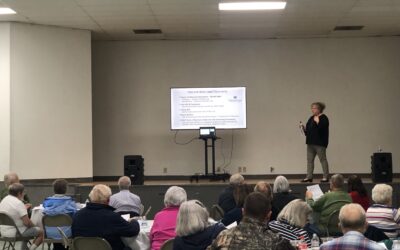
How to Plan for Aging: A Local Event in Montgomery County
On Thursday, April 27, 2023, Edwards Group Elder Care Director Melissa Coulter and Elder Care New Client Specialist Audri Richard spoke to a crowd of over 60 people at The Event Center of Montgomery County in Hillsboro, Illinois. The event, titled "Protect Your Life...
Benefits of Edwards Group’s Dynasty Membership
Life comes at you fast and plans need to be kept up to date. Take the guesswork out of planning and preparing for changes in family, financial, legal, or tax laws. With the Edwards Group Dynasty Membership, we take responsibility for your updates. At Edwards...
Our Blog

Estate Planning is Like… Backing Into a Parking Place
Do you back into your parking spots or just pull in? How you pull into parking spots may determine what kind of estate planner you are. Read on to find out where you fall. At Ritz's Diner one morning there was a whole row of trucks that were backed into their parking...

Establishing Financial Success in a Blended Family
Attorney David Edwards recently co-wrote a book with Ron Deal and Greg Pettys. This article is adapted from that book -- The Smart Stepfamily Guide to Financial Planning: Money Management Before and After You Blend a Family. Forming a Togetherness Agreement creates a...

Unhappy With Your Will? 6 Reasons Why That Might Be…
You took that big step. You found an attorney and you finally got a Will. So why don't you feel better? You should be experiencing peace of mind, but instead you're still experiencing that nagging worry at the back of your mind. Unfortunately, this happens to a lot of...
What To Do When a Loved One Dies at Home
Our clients often come to us as a resource for questions not related to estate planning, and we are more than happy to help when they do. "What happens when a loved one dies in my home?" Like we said, sometimes our clients call us with questions that aren't directly...

Estate Planning is Like… Visiting a Doctor
"My toe hurts!" That's what I told the emergency room doctor when I was about 2.5 years old. (I'm the baby in the picture, just a little before this story happened.) My granddad was headed to the grocery store, and I wanted to go with him. I didn't have shoes on, but...

Living Longer: It’s a Blessing, If You’re Prepared
Here's some good news: people are living much longer these days! So much so that there's a new field in estate planning. It's called Life Care Planning. This type of planning doesn't focus solely on a "death plan." Instead, it focuses on using strategies to make the...

Should I Buy Long-term Care Insurance?
The outrageous cost of care is one of the biggest risks to those getting older. This question looms large in the mind of many who are of retirement age... How will I (we) pay for care costs? And many clients ask us... Should we buy long-term care insurance? There is a...
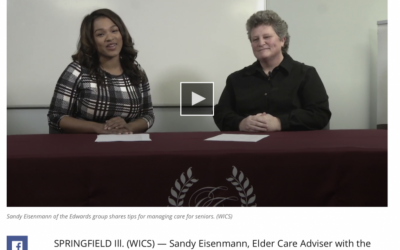
4 Safety Categories for Seniors You Should Be Aware Of
Preserving independence and control as one ages is a major goal of many people we talk to on a regular basis. And with seniors who have a strong desire to preserve independence, come families with big concerns about safety. Is it possible for their aging loved one to...

How to Sign Up For Medicare — A Free Workshop
Signing up for Medicare can be fairly straightforward, but for many people it gets complicated. Or seems that way at first. You may only need certain parts of the program, you may want extra coverage, or you may want to forego certain coverage. Though this might seem...

Nest Egg Trusts: A Tool to Protect Your Property and Life Savings
There's a real problem facing Americans over the age of 65 -- the cost of nursing home care. It's expensive and often unavoidable. A lucky few have enough income to cover the $80,000 per year cost. But how does the average person afford it? Unfortunately, many "spend...